
Imagine walking into your home and having the lights dim, the thermostat adjust, and your favorite playlist start playing—all without lifting a finger. Smart home automation isn’t just a futuristic fantasy; it’s a reality that can transform any living space into a tech-savvy haven. With the right installation, your home can become a responsive environment that caters to your every whim, making life not only easier but also a lot more fun.
Understanding Smart Home Automation
Smart home automation transforms living spaces into intelligent environments. Homeowners enjoy convenience and efficiency through automated controls for various devices.
Benefits of Smart Home Automation
Convenience tops the list of smart home automation benefits. Products like smart thermostats and lighting systems enable effortless adjustments. Enhanced energy efficiency follows, as these systems can optimize usage patterns to reduce costs. Security features also play a crucial role, with smart locks and cameras providing remote monitoring capabilities. Integration with voice assistants adds another layer of ease, allowing users to control devices with simple commands. Improved accessibility for those with mobility challenges rounds out the significant advantages.
Key Components of Smart Home Systems
Several key components form the backbone of smart home systems. Smart speakers serve as central hubs for controlling connected devices. Security cameras enhance monitoring capabilities while enabling real-time alerts for unusual activity. Smart lighting systems allow for customizable ambiance and automation based on schedules. Thermostats adapt to user preferences, promoting energy savings. Lastly, smart appliances integrate seamlessly into the network, making daily chores more manageable.
Planning Your Smart Home Automation Installation
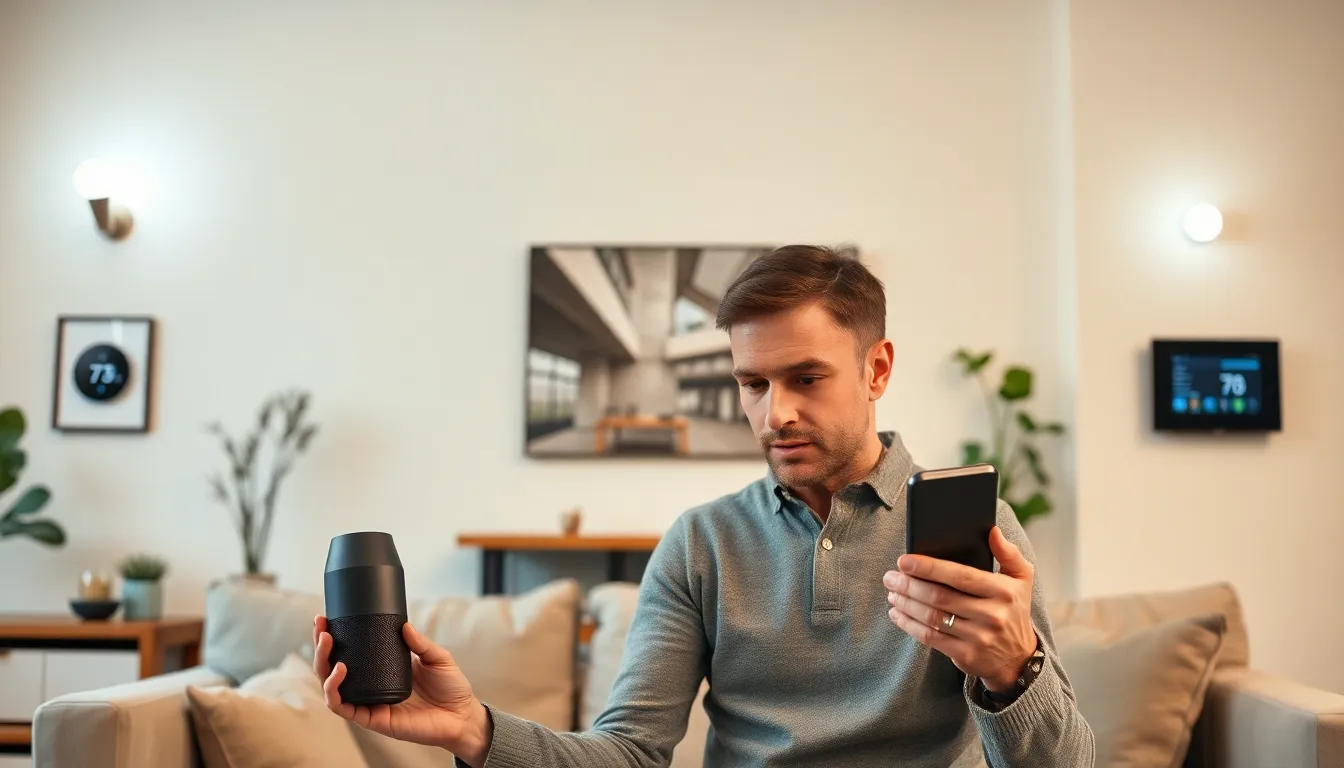
Planning for smart home automation involves evaluating your home and understanding specific requirements. Identifying goals helps determine which systems and devices provide the greatest benefits.
Assessing Your Home’s Needs
Consider the layout of your home and the areas requiring automation. Identifying which rooms can benefit from smart lighting or temperature control enhances comfort and efficiency. Evaluating existing devices helps in determining compatibility with new technology. Assessing security needs is also crucial; smart locks and cameras add layers of protection. Documenting preferences ensures that the system meets individual lifestyle choices, maximizing satisfaction.
Choosing the Right Products
Researching available products is essential for successful installation. Selecting devices from reputable brands guarantees reliability and performance. Smart speakers act as control hubs, while smart bulbs must fit your lighting preferences. Identifying energy-efficient thermostats reduces consumption and lowers utility bills. Evaluating compatibility with voice assistants simplifies interactions. Reading reviews and seeking recommendations can aid in making informed decisions that align with specific needs.
Installation Process
The installation process for smart home automation plays a crucial role in achieving a seamless and efficient setup. Homeowners can choose between DIY methods or hiring professional services, depending on their comfort level and system complexity.
DIY Installation vs. Professional Help
DIY installation offers flexibility and cost savings. For tech-savvy individuals, setting up devices and integrating them into a network becomes straightforward. Homeowners can often follow user-friendly manuals and online tutorials, making it accessible for those willing to invest time. Professional help ensures expertise and optimal setups. Specialists bring experience to the table, addressing intricate installations, troubleshooting, and system integrations. Choosing between DIY or professional assistance often depends on the complexity of the desired automation and available time.
Step-by-Step Installation Guide
Starting the installation involves gathering all necessary components. First, homeowners should identify the central hub, which serves as the system’s brain. Next, they should install smart devices like lights, thermostats, and cameras following specific instructions for each. Connecting devices via Wi-Fi or a smart hub comes next, ensuring strong connections for reliable performance. It becomes vital to test each component after installation to confirm proper functionality. Finally, configuring automation settings and routines through compatible apps enhances usability, allowing homeowners to enjoy the benefits of smart home technology.
Post-Installation Tips
Post-installation is a crucial phase for maximizing the benefits of smart home automation. Homeowners can ensure their systems function optimally by following a few guidelines.
Troubleshooting Common Issues
Common issues can arise after installation. Connectivity problems may occur when devices fail to communicate with the central hub. Checking the Internet connection can often resolve this issue. Sometimes, delays in automation responses happen due to low battery levels or software updates. Regularly monitoring device performance helps identify such concerns early. Additionally, reset options are available for most devices, which can clear glitches. Users may refer to device manuals for specific troubleshooting steps.
Optimizing Your Smart Home Experience
Optimizing your smart home experience involves several strategies. Prioritizing automation routines can enhance convenience. Scheduling lights or thermostats based on routines improves energy efficiency and comfort. Customizing voice commands for specific tasks can simplify usage. Regularly updating software ensures access to the latest features and security improvements. Integrating additional devices, like smart plugs, creates a more cohesive environment. Evaluating performance periodically helps identify areas for enhancement. Check compatibility with new devices to keep the system running smoothly.
Smart home automation installation offers a transformative experience for homeowners looking to enhance their living spaces. By integrating technology into daily routines, they can enjoy unparalleled convenience and efficiency. With thoughtful planning and the right products, it’s possible to create a tailored smart home that meets individual needs.
Whether opting for DIY installation or professional assistance, the focus should always be on achieving a seamless and user-friendly system. Embracing smart home technology not only simplifies life but also contributes to energy savings and improved security. As homeowners explore the endless possibilities of automation, they’ll discover a new level of comfort and control in their everyday lives.

