
When it comes to protecting a manufactured home, insurance coverage is like a superhero cape—absolutely essential. Just like Batman wouldn’t stroll into Gotham without his gadgets, homeowners shouldn’t navigate the world of manufactured living without the right policy. It’s not just about safeguarding against the unexpected; it’s about ensuring peace of mind while enjoying that cozy abode.
Imagine a storm rolling in and you’re left wondering if your prized possessions are safe. With the right insurance, you can kick back, sip your coffee, and let the wind do its worst. From natural disasters to pesky little mishaps, manufactured home insurance covers it all. So why gamble with your home sweet home? Dive into the world of coverage options and discover how to keep your haven safe and sound.
Understanding Manufactured Home Insurance Coverage
Manufactured home insurance coverage offers essential protection tailored for unique housing situations. This coverage safeguards against various risks, ensuring peace of mind for homeowners.
What Is Manufactured Home Insurance?
Manufactured home insurance protects homes that are prefabricated and movable. It covers personal property, liability, and structural damage. Distinct from traditional homeowners insurance, this policy addresses specific needs of manufactured homes. It typically includes protection against natural disasters, theft, and vandalism. Homeowners should identify coverage options that align with their unique requirements.
Importance of Insurance for Manufactured Homes
Insurance serves as a critical safety net for manufactured homes. It protects investments from unexpected damage and financial loss. Natural disasters can destroy homes, leading to significant expenses. Liability coverage provides protection against accidents that may occur on the property. Obtaining the right insurance not only safeguards physical assets but also contributes to homeowners’ peace of mind. Knowing that coverage is in place allows for better preparedness in uncertain situations.
Types of Coverage Available
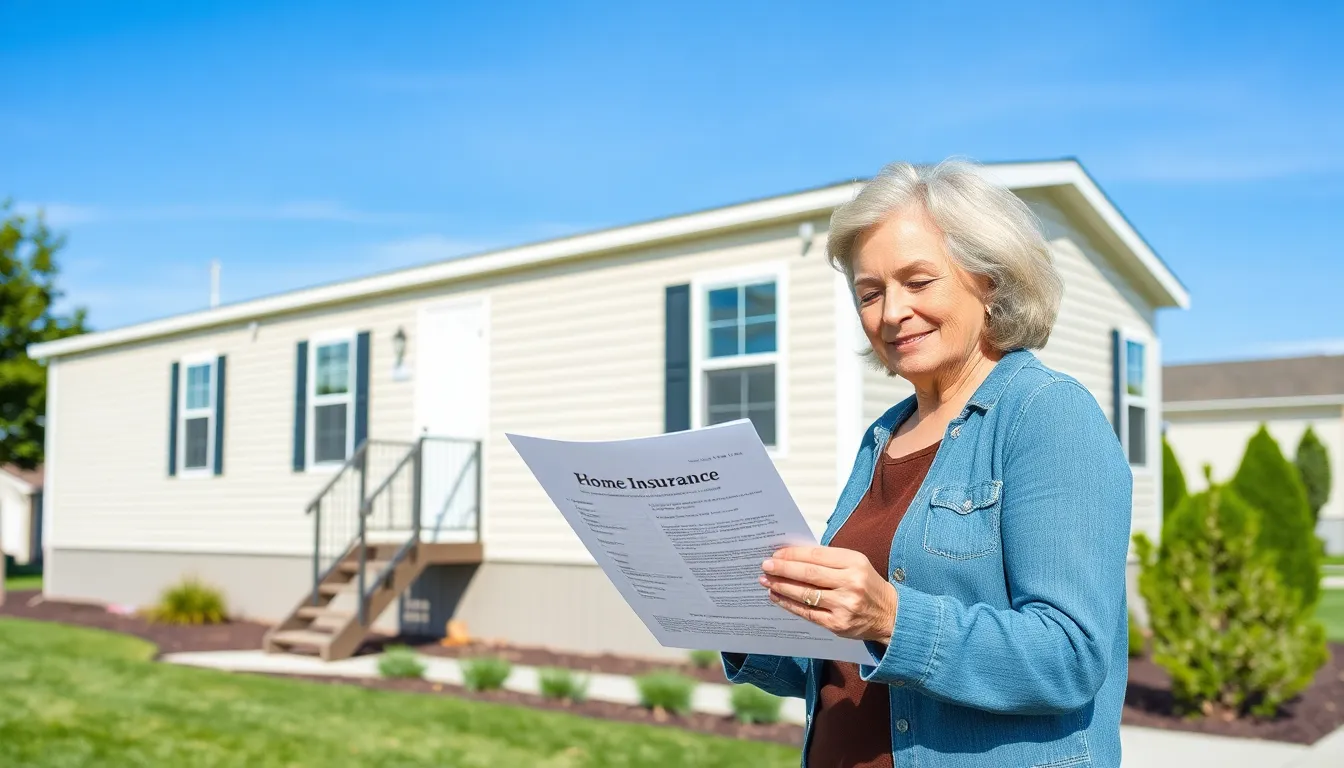
Different coverage options exist for manufactured home insurance, providing essential protection tailored to unique homeowners’ needs.
Liability Coverage
Liability coverage protects against legal claims resulting from injuries or damages that occur on the property. This coverage often includes medical expenses for injured visitors and legal costs for defense. Homeowners can select limits based on their financial situation and risk exposure. It’s crucial to evaluate potential risks when determining the coverage level. Liability coverage serves as a safety net, alleviating financial burdens linked to accidents on the property.
Property Coverage
Property coverage focuses on safeguarding the home and personal belongings from various threats. This includes protection against risks such as fire, theft, and severe weather events. Homeowners can opt for actual cash value or replacement cost coverage, affecting claim payouts during a loss. Specific personal items, like electronics or jewelry, may require additional endorsements for adequate coverage. Property coverage ensures valuable assets receive necessary protection, minimizing financial loss due to unexpected incidents.
Additional Living Expenses Coverage
Additional living expenses coverage provides support when homeowners cannot reside in their manufactured homes following a covered loss. This coverage typically includes costs for temporary housing, meals, and other living expenses incurred during the repair or rebuilding process. When evaluating this option, homeowners should assess their living situation and potential displacement duration. This coverage helps alleviate financial stress, allowing homeowners to focus on restoring their living conditions without undue hardship.
Factors Affecting Insurance Premiums
Several key factors influence the cost of insurance premiums for manufactured homes. Understanding these elements enables homeowners to make informed decisions about their coverage.
Location of the Home
Location significantly affects insurance premiums for manufactured homes. Homes situated in areas prone to natural disasters, such as hurricanes or floods, typically incur higher premiums. Insurers assess the risk associated with specific regions, taking into account local crime rates and environmental hazards. Proximity to fire departments or emergency services also impacts rates. Homes in urban areas may face additional assessments compared to rural locations. Understanding these geographic influences helps homeowners anticipate potential costs.
Age and Condition of the Manufactured Home
The age and condition of a manufactured home play critical roles in determining insurance costs. Older homes generally have higher premiums due to increased maintenance needs and greater risk of structural issues. Insurers often evaluate the condition of essential components such as roofs, plumbing, and electrical systems. Well-maintained homes benefit from lower premiums, as they pose less risk. Homes built with updated materials or energy-efficient systems may qualify for discounts as well. Assessing these factors ensures homeowners select appropriate coverage that reflects their home’s status.
Common Exclusions in Policies
Manufactured home insurance policies often contain exclusions that can significantly impact coverage. Being aware of these common exclusions helps homeowners make informed decisions.
Natural Disasters
Certain natural disasters frequently fall outside standard coverage. Earthquakes and floods are prime examples. Homeowners must often purchase separate policies or add endorsements to cover these risks. Tornadoes may also cause damage not fully covered under typical policies, so checking specific wording in contracts remains essential. Homeowners need to assess their environments and understand risks associated with their locations.
Negligence and Poor Maintenance
Insurance does not cover damages resulting from negligence or lack of maintenance. Deterioration due to neglect can void claims, especially if wear and tear leads to significant damage. Regular upkeep includes maintaining roofs, plumbing, and electrical systems. Homeowners must document any maintenance done to avoid issues during claims. Policies often exclude damages from pests that result from poor maintenance, which can lead to financial hardships.
Tips for Choosing the Right Policy
Selecting the suitable insurance policy for a manufactured home involves careful consideration and thorough research. Making informed decisions enhances protection and peace of mind.
Comparing Different Insurance Providers
Evaluating several insurance providers helps identify the best options. Consider aspects such as coverage limits, deductibles, and premium costs. It’s crucial to read customer reviews and check the financial stability of each insurer. Comparing quotes provides insights into competitive rates. Don’t forget to inquire about discounts, especially for bundling policies or maintaining a claims-free record. Investigating the claims process also aids in understanding how insurers handle situations. Assessing the provider’s reputation significantly impacts long-term satisfaction.
Assessing Coverage Needs
Determining specific coverage needs plays a vital role in choosing the right policy. Identify risks unique to the location and condition of the manufactured home. Analyzing personal belongings and their value helps establish appropriate property coverage limits. Liability coverage must protect against potential legal claims; therefore, evaluating household activities is essential. Consider additional living expenses coverage for temporary housing during significant repairs. Outlining personal risks and requirements leads to a more tailored policy. Discussing concerns with an agent ensures clarity on available options and necessary adjustments.
Manufactured home insurance is an essential tool for safeguarding one’s investment and ensuring peace of mind. By understanding the unique coverage options available, homeowners can tailor their policies to meet specific needs and protect against unforeseen events.
It’s crucial to evaluate factors like location and home condition when selecting coverage to avoid gaps that could lead to financial loss. Taking the time to compare policies and consult with insurance agents can lead to a more informed decision.
Ultimately, having the right insurance coverage not only shields against risks but also fosters a sense of security in the face of uncertainty.

