
Imagine walking into a home that knows you better than your best friend. Lights dim as you enter, the thermostat adjusts to your perfect temperature, and your favorite playlist starts playing—all without lifting a finger. Sounds like magic, right? Well, it’s time to trade in that fairy tale for some DIY home automation.
Overview Of DIY Home Automation
DIY home automation represents a growing trend in modern living. Individuals can customize their environments to cater to personal preferences. Smart devices allow homeowners to control features like lighting, temperature, and security seamlessly.
Home automation systems typically consist of various components. Sensors detect changes, while hubs connect and manage devices. App integration provides users with remote access and control through smartphones or tablets.
Popular devices in this space include smart bulbs, thermostats, and cameras. Smart bulbs offer the ability to change colors or dim lights remotely. Smart thermostats adjust heating or cooling based on user habits.
Cost varies based on the complexity of the system. Basic setups may start at a few hundred dollars, while advanced configurations can escalate significantly. Savings on energy bills can offset initial investments in smart technologies.
Installation can be straightforward for many DIY enthusiasts. Plug-and-play devices allow quick setup, while more advanced systems might require technical skills. Online resources provide valuable guidance and installation tips for various automation projects.
Security remains a top priority for homeowners. Automated systems enhance safety with surveillance cameras and alarm alerts. Real-time notifications empower users to respond promptly to potential threats.
Simplicity and convenience drive the appeal of DIY home automation. Automated routines can streamline daily tasks like adjusting settings for morning routines or evening relaxation. Enhancing comfort and efficiency transforms the home into a smarter living space.
Benefits Of DIY Home Automation
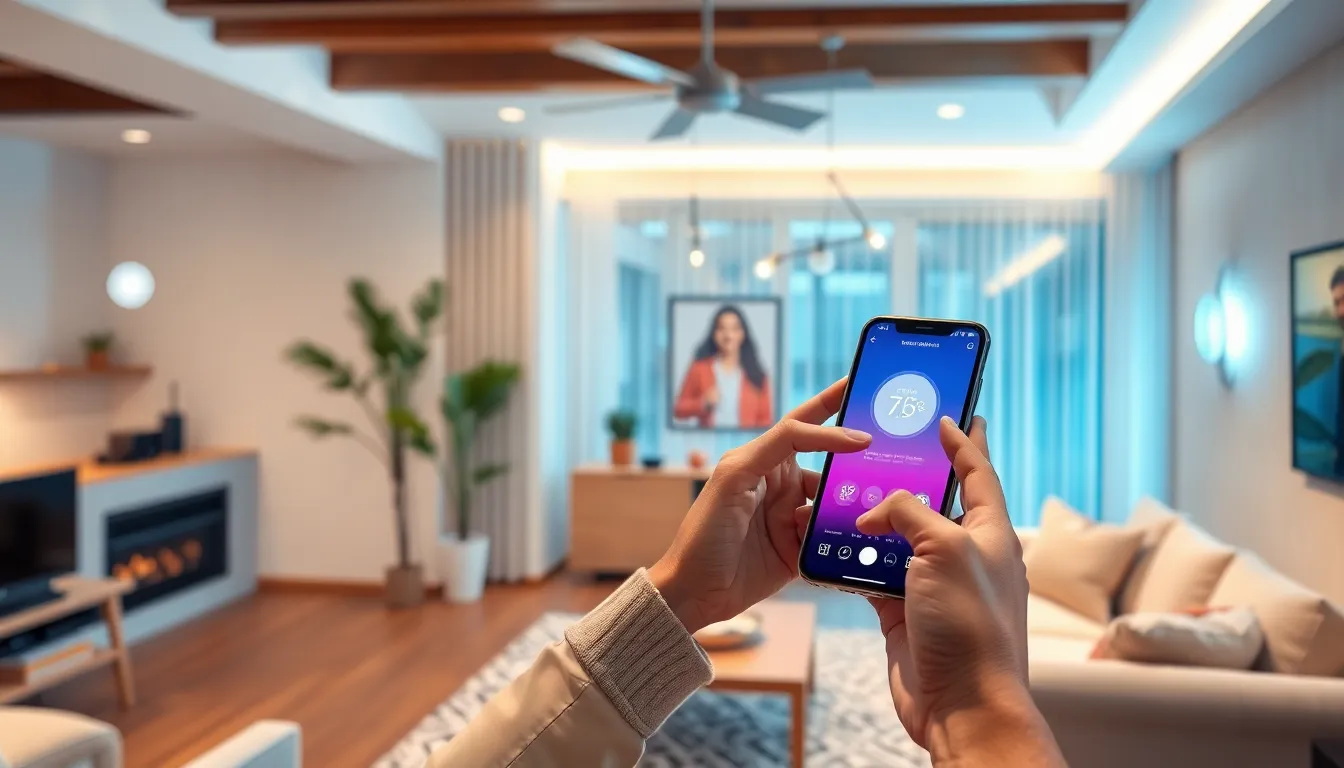
DIY home automation offers numerous advantages, significantly enhancing comfort and efficiency in everyday life.
Cost Savings
Budget-conscious individuals appreciate the cost savings associated with DIY home automation. Initial investments in smart devices, such as energy-efficient bulbs or programmable thermostats, decrease energy consumption. Homeowners may see reductions of up to 30% on energy bills with proper automation. Maintenance costs also drop with the right setup, as automated systems can signal issues before they escalate. Over time, these savings can offset installation costs, leading to a net positive financial impact.
Personalization
Personalization transforms homes into tailored environments that suit individual lifestyles. DIY home automation allows users to customize settings for lighting, temperature, and security according to their preferences. For example, automated lighting adjusts automatically based on occupancy, enhancing comfort while conserving energy. Automated routines can adapt to daily schedules, creating ideal atmospheres for work or relaxation. Homeowners can integrate various devices into cohesive systems, ensuring seamless control that aligns with their unique needs. This level of customization elevates the experience of living in a smart home.
Getting Started With DIY Home Automation
Starting with DIY home automation requires careful planning and selection of devices that fit one’s needs. Familiarizing with various options and understanding the essential tools makes the process smoother.
Choosing The Right Devices
Selecting devices depends on personal lifestyle and home requirements. Prioritize smart bulbs, thermostats, and security cameras to establish a solid foundation. Consider compatibility with existing systems to ensure seamless integration. Look for reliable brands that offer comprehensive support. Reading reviews helps gauge performance and customer satisfaction. Assess devices for user-friendly interfaces as they simplify management. Investing in energy-efficient products not only saves money but also enhances comfort. The variety of choices available allows homeowners to mix and match systems for tailored solutions.
Essential Tools And Components
Gathering the right tools streamlines the installation process. Start with basic tools like screwdrivers, cable connectors, and wire strippers. A quality smartphone or tablet is essential for app control and monitoring. Depending on the system, purchase a central hub that connects devices and facilitates communication. Incorporating sensors for motion and temperature optimizes functionality. Connecting smart devices requires a stable Wi-Fi network to ensure interoperability. Lastly, consider purchasing extra power strips and extension cords to accommodate device placements throughout the home.
Popular DIY Home Automation Projects
DIY home automation projects offer countless opportunities to enhance comfort and security. These popular setups cater to various needs, ensuring a tailored experience for every homeowner.
Smart Lighting Solutions
Investing in smart lighting solutions transforms how one illuminates a home. Smart bulbs offer colors and brightness levels customizable through a smartphone. Users can set schedules for lights to turn on or off, creating ambiance or enhancing security. Automated lighting can gradually brighten in the morning to simulate a natural sunrise. Installation often requires simple app configurations, making it accessible for DIY enthusiasts.
Home Security Systems
Home security systems represent a vital component of DIY home automation. Smart cameras provide real-time video feeds accessible via mobile devices. Intrusion sensors can trigger alarms and notify homeowners instantly. Many security solutions integrate doorbell cameras, enabling two-way communication with visitors. Cost-effective options exist for comprehensive surveillance, allowing users to monitor their homes from anywhere.
Climate Control Automation
Climate control automation significantly boosts home comfort and energy efficiency. Smart thermostats learn users’ preferences, adjusting temperatures to match daily routines. One can conveniently control the heating and cooling systems remotely. Sensors monitor occupancy, ensuring energy isn’t wasted when no one is home. Savings can reach up to 30% on energy bills, making these systems a prudent investment.
Tips For Successful DIY Home Automation
Successful DIY home automation relies on careful planning and strategic execution. Implementing well-thought-out designs can lead to a more efficient and enjoyable living space.
Planning And Design
Planning an effective home automation system begins with identifying specific needs. Homeowners should assess which areas of their home benefit most from automation, such as lighting or security. Choosing compatible devices ensures seamless integration and maximizes functionality. Researching available products helps identify which smart devices cater to particular preferences. Creating a basic layout of where devices will be installed aids in visualizing the system. Prioritizing energy-efficient options not only enhances performance but also leads to savings on energy bills.
Troubleshooting Common Issues
Troubleshooting common issues becomes essential for maintaining a home automation system. Connectivity problems often arise from unstable Wi-Fi networks. Ensuring a strong signal throughout the home can resolve many of these issues. Updating device firmware regularly reduces glitches and improves performance. When systems fail to respond, rebooting devices can often restore functionality quickly. Additionally, checking compatibility with the central hub helps avoid conflicts. Documenting encountered problems can guide future troubleshooting efforts, making maintenance simpler and more efficient.
DIY home automation offers a unique opportunity for homeowners to enhance their living spaces with convenience and efficiency. By investing in smart devices and carefully planning their setup, individuals can create a personalized environment that adapts to their needs. The benefits extend beyond comfort to include significant energy savings and improved security.
As technology continues to evolve, the options for DIY home automation will only expand. Embracing this trend allows homeowners to take control of their environments while enjoying the advantages of modern living. With the right tools and resources, anyone can embark on their DIY home automation journey and transform their home into a smarter, more efficient space.

