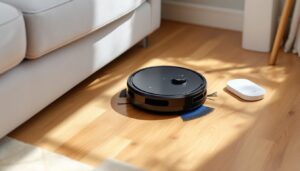
South Florida’s climate and lifestyle create unique demands on a home. Intense heat, hurricane season, and high energy costs push Boca Raton homeowners to seek solutions that go beyond standard setups. Smart home technology addresses these challenges head-on, offering climate control precision, security during storm season, and energy savings that actually move the needle. Whether you’re retrofitting a classic Mediterranean Revival or outfitting a new construction, home automation in Boca Raton isn’t just about convenience, it’s about making your home work smarter in one of the country’s most demanding environments.
Table of Contents
ToggleKey Takeaways
- Smart thermostats and motorized window treatments cut energy costs by 15–25% in Boca Raton, where summer cooling bills exceed $300 monthly, making home automation in Boca Raton a financial necessity rather than a luxury.
- Security systems with video doorbells, smart locks, and water leak sensors protect against hurricane damage and theft in South Florida’s affluent neighborhoods, while coastal properties require IP65-rated weatherproofing to resist salt spray and UV damage.
- Choose a multi-protocol hub supporting Z-Wave, Zigbee, and Matter to future-proof your system, as Boca Raton’s concrete-block construction can interfere with wireless signals, requiring careful platform selection before purchasing devices.
- DIY installation works for smart plugs, sensors, and locks ($500–$1,200 starter packages), but hire licensed electricians for line-voltage work, security hardwiring, and lighting retrofits to comply with Florida Building Code and ensure warranty coverage.
- Premium integrated systems ($15,000–$50,000+) deliver 3–5% home resale value premiums in luxury markets, though true ROI comes from utility savings of $100–$200 monthly, which offset installation costs in 3–5 years.
- Start with high-impact upgrades like smart climate control and security systems, then phase in lighting and entertainment; verify device compatibility for two weeks before committing to avoid costly ecosystem mistakes.
Why Boca Raton Homeowners Are Embracing Smart Home Technology
The South Florida climate isn’t forgiving. Air conditioners run nearly year-round, humidity breeds mold in poorly ventilated spaces, and storm shutters need deployment at a moment’s notice. Home automation in Boca Raton tackles these realities with targeted solutions.
Energy costs top the list of motivators. FPL rates fluctuate, and cooling a 2,500-square-foot home can easily hit $300-plus monthly in summer. Smart thermostats like the Ecobee or Nest Learning model adjust temperatures based on occupancy and time-of-day rates, cutting usage by 15-25% according to EPA estimates. Pair that with automated blinds that close during peak sun hours, and savings compound.
Security concerns also drive adoption. Boca’s affluent neighborhoods attract attention, and seasonal residents need remote monitoring. Video doorbells, smart locks, and integrated alarm systems let homeowners check in from anywhere. Hurricane prep adds another layer, automated storm shutters and water leak sensors can prevent catastrophic damage when you’re not on-site.
Convenience matters too, but it’s practical convenience. Voice-controlled lighting saves trips up and down stairs in multi-story homes. Automated pool systems maintain chemistry without weekly testing. Remote garage access lets contractors or housekeepers in without spare keys floating around.
The growing home automation business across South Florida reflects this demand. Installers report 40% year-over-year growth in smart climate and security requests, particularly in gated communities from Mizner Park to Royal Palm Yacht & Country Club.
Essential Home Automation Systems for Boca Raton Homes
Not all smart systems deliver equal value in South Florida’s environment. Focus on tech that addresses climate, security, and energy, the big three.
Smart Climate Control and Energy Management
Smart thermostats are non-negotiable. Look for models with humidity control, not just temperature. South Florida’s 70-80% humidity levels demand active management to prevent mold. The Ecobee SmartThermostat Premium includes a remote sensor system, place sensors in frequently used rooms to balance cooling across your home’s layout.
Installation is straightforward if you’ve got a C-wire (common wire) at your existing thermostat. If not, you’ll need to run 18/2 thermostat wire from your air handler or use a 24V transformer adapter. Most HVAC systems in Boca Raton built after 2000 include C-wires, but check first. Shut off power at the breaker before touching any wiring.
Motorized window treatments block radiant heat before it penetrates glass. South- and west-facing windows take the hardest beating. Lutron Serena or Somfy motors integrate with most automation platforms. Budget $200-400 per standard window, more for sliders or floor-to-ceiling glass common in waterfront properties.
Smart ceiling fans with DC motors use 70% less energy than AC models. The Haiku by Big Ass Fans or Hunter Symphony models adjust speed based on room temperature and integrate with Alexa or Google Home. In Boca’s climate, ceiling fans let you set the thermostat 3-4°F higher without sacrificing comfort.
Many homeowners explore creative home automation ideas like smart pool controls. Pentair IntelliCenter or Jandy iAquaLink systems manage pumps, heaters, and lighting remotely. Pool equipment accounts for 10-15% of a home’s electric bill, automation cuts that by scheduling pumps during off-peak hours.
Security and Surveillance Solutions
Video doorbells and cameras need weatherproofing rated for salt air and intense UV. Ring and Nest products work, but coastal Boca Raton properties should verify IP65 or higher ratings. Clean lens covers monthly, salt spray clouds plastic faster than you’d expect.
Smart locks eliminate hidden key risks. Schlage Encode or Yale Assure models offer keypad and app control. Choose locks with ANSI/BHMA Grade 1 ratings for exterior doors, anything less won’t hold up to forced-entry attempts. Installation takes 15-20 minutes with a screwdriver and drill. Ensure the deadbolt throw is at least 1 inch and strikes into solid wood framing, not just the door jamb trim.
Glass break sensors and water leak detectors are Florida-specific essentials. Hurricane winds can shatter windows even with shutters. Samsung SmartThings or Honeywell sensors trigger alerts instantly. Place water sensors near water heaters, washing machines, and AC drip pans, Boca’s slab foundations make leaks harder to detect before damage spreads.
For whole-home security, systems from smart home automation installation providers typically integrate door/window contacts, motion sensors, and cameras into one platform. Hardwired systems offer better reliability than wireless, especially during power outages if backed by battery or generator.
Choosing the Right Home Automation Platform for Your Boca Raton Property
Platform choice determines how well devices talk to each other, and whether you’ll face compatibility headaches down the road.
Amazon Alexa, Google Home, and Apple HomeKit are the Big Three. Alexa dominates South Florida installs due to device compatibility and Echo Show displays that work well for video doorbells. Google Home offers superior voice recognition and integrates seamlessly with Nest products. Apple HomeKit appeals to iOS-heavy households and emphasizes local processing for privacy, but device selection is narrower.
For whole-home control, consider dedicated platforms like Control4, Crestron, or Savant. These require professional programming but deliver rock-solid performance across lighting, HVAC, security, and entertainment. Expect $5,000-15,000 for a basic retrofit in a 3,000-square-foot home, more for new construction with in-wall wiring.
Samsung SmartThings and Hubitat Elevation sit between consumer and pro systems. Both support Z-Wave and Zigbee protocols (the wireless standards most smart devices use). SmartThings leans cloud-dependent, while Hubitat runs locally, an advantage when internet drops during storms.
Protocol compatibility matters. Z-Wave operates on 908.42 MHz in the US (908.42 MHz specifically in Florida to avoid interference). Zigbee uses 2.4 GHz, which can clash with Wi-Fi routers. For large homes or properties with metal roofs (common in hurricane zones), Z-Wave’s longer range and better wall penetration win out.
According to Tom’s Guide smart home reviews, multi-protocol hubs future-proof your setup. The new Matter standard (launched late 2022) promises cross-platform compatibility, but adoption is still rolling out. Stick with platforms that support both legacy protocols and Matter updates.
Test integration before committing. Buy a starter hub and a few devices, a smart switch, a sensor, and a lock. Run them for two weeks. If the app crashes or devices drop offline repeatedly, return them and try another ecosystem. Boca’s thick concrete-block construction can interfere with wireless signals, so mesh networking or wired backbones may be necessary.
DIY vs. Professional Installation: What Boca Raton Homeowners Need to Know
Some automation installs are weekend projects. Others demand licensed pros. Here’s how to tell the difference.
DIY-friendly projects include smart plugs, battery-powered sensors, video doorbells (if you’ve already got doorbell wiring), and smart locks. Tools needed: screwdriver set, drill with bits, wire stripper, voltage tester. If you’re comfortable replacing a light switch, you can handle most smart switches, just verify you’ve got a neutral wire in the box. Homes built before 1985 often lack neutrals in switch boxes.
Installing smart thermostats is manageable if wiring is straightforward. Snap a photo of existing wire connections before disconnecting anything. Match wires to labeled terminals (R, C, Y, G, W). If your system uses heat pumps (common in South Florida), you may have extra wires like O/B for reversing valves. Consult the thermostat’s compatibility checker or hire an HVAC tech for the hookup.
Hire a professional for:
- Line-voltage devices (120V/240V circuits). Smart pool controllers, heavy-duty outdoor lighting, and whole-home generators require permits and licensed electricians per Florida Building Code.
- Security system hardwiring. Running low-voltage wire through walls is tedious and easy to mess up. Professionals have fish tape, wall-cavity tools, and knowledge of local code (NEC Article 725 for Class 2 circuits).
- Lighting control retrofits. Replacing dozens of switches with Lutron Caseta or Leviton Decora systems involves load calculations and neutral wire verification. An electrician ensures you don’t overload circuits.
- Network backbone installation. Reliable automation needs robust Wi-Fi or hardwired Ethernet. Running Cat6 cable and configuring mesh access points is best left to low-voltage techs.
Many DIY home automation enthusiasts start with plug-and-play devices, then call pros for complex integrations. That’s smart. You save money on simple swaps and avoid costly mistakes on electrical work.
Permitting applies to anything altering electrical or structural systems. Smart switch installs in existing boxes generally don’t require permits, but adding new circuits or outdoor cameras with power feeds do. Palm Beach County requires electrical permits for line-voltage work: check with Boca Raton Building Services (561-393-7800) before starting.
Insurance can be affected too. Some carriers offer discounts for monitored security systems but require professional installation certification. Ask your agent before buying equipment.
Budgeting for Home Automation in Boca Raton
Costs vary wildly depending on scope and whether you DIY or hire out. Here’s a realistic breakdown for 2026.
Starter package (DIY, single-room focus): $500-1,200
- Smart thermostat: $150-250
- Smart locks (2): $200-400
- Video doorbell: $100-200
- Smart lighting (4-6 switches or bulbs): $50-200
- Voice assistant hub: $50-100
Mid-range whole-home (mix of DIY and pro install): $3,000-8,000
- Smart HVAC zones (2-3 zones): $800-1,500 installed
- Motorized shades (8 windows): $1,600-3,200
- Security system with cameras (6-8 devices): $800-2,000 plus monitoring
- Smart ceiling fans (4): $600-1,200
- Lighting control (15-20 switches): $400-1,000 DIY, or $1,500-3,000 installed
Premium integrated system (professional install): $15,000-50,000+
- Control4 or Crestron hub and programming: $5,000-12,000
- Whole-home audio (6-8 zones): $3,000-10,000
- Automated storm shutters: $2,500-8,000 depending on window count
- Outdoor lighting and landscape integration: $2,000-6,000
- Network infrastructure (Cat6, enterprise Wi-Fi): $1,500-4,000
Expect higher costs in Boca Raton versus national averages, labor rates run $85-150/hour for licensed electricians, and coastal building codes add requirements. According to Digital Trends’ smart home coverage, premium automation adds 3-5% to home resale value in luxury markets, though ROI varies.
The return on home automation investment comes more from energy savings and insurance discounts than direct resale premiums. A well-integrated system can cut utility bills $100-200 monthly, offsetting install costs in 3-5 years.
Phase installations to spread costs. Start with climate control and security, the high-impact systems. Add lighting and entertainment later. Many platforms let you expand gradually without ripping out earlier work.
For those exploring cutting-edge home automation features like AI-driven energy optimization or biometric access, budget an additional 20-40% over standard installs. Bleeding-edge tech often requires custom integration and ongoing software subscriptions.
Financing options include home equity lines (rates around 8-9% as of early 2026), contractor payment plans, or energy-efficiency rebates. FPL occasionally offers incentives for smart thermostats and load-management devices, check their residential programs page before purchasing.
Don’t forget ongoing costs: monitoring services ($15-50/month), cloud storage for cameras ($3-10/device/month), and platform subscriptions (Lutron Pro costs, Control4 updates). Factor these into total cost of ownership.
Home automation in South Florida isn’t a luxury, it’s an adaptation to an environment that demands smarter resource management. Whether you’re assembling a basic home automation kit or designing a comprehensive system, prioritize climate resilience, security, and energy efficiency. Start with high-impact upgrades, verify compatibility before buying, and know when to call a pro. The right setup pays for itself in comfort, savings, and peace of mind, especially when the next hurricane warning scrolls across your phone and you can secure your home with a few taps.